
Southeast Asia's Franchise Traffic Is Now Running Both Ways
By Go Global Research Desk
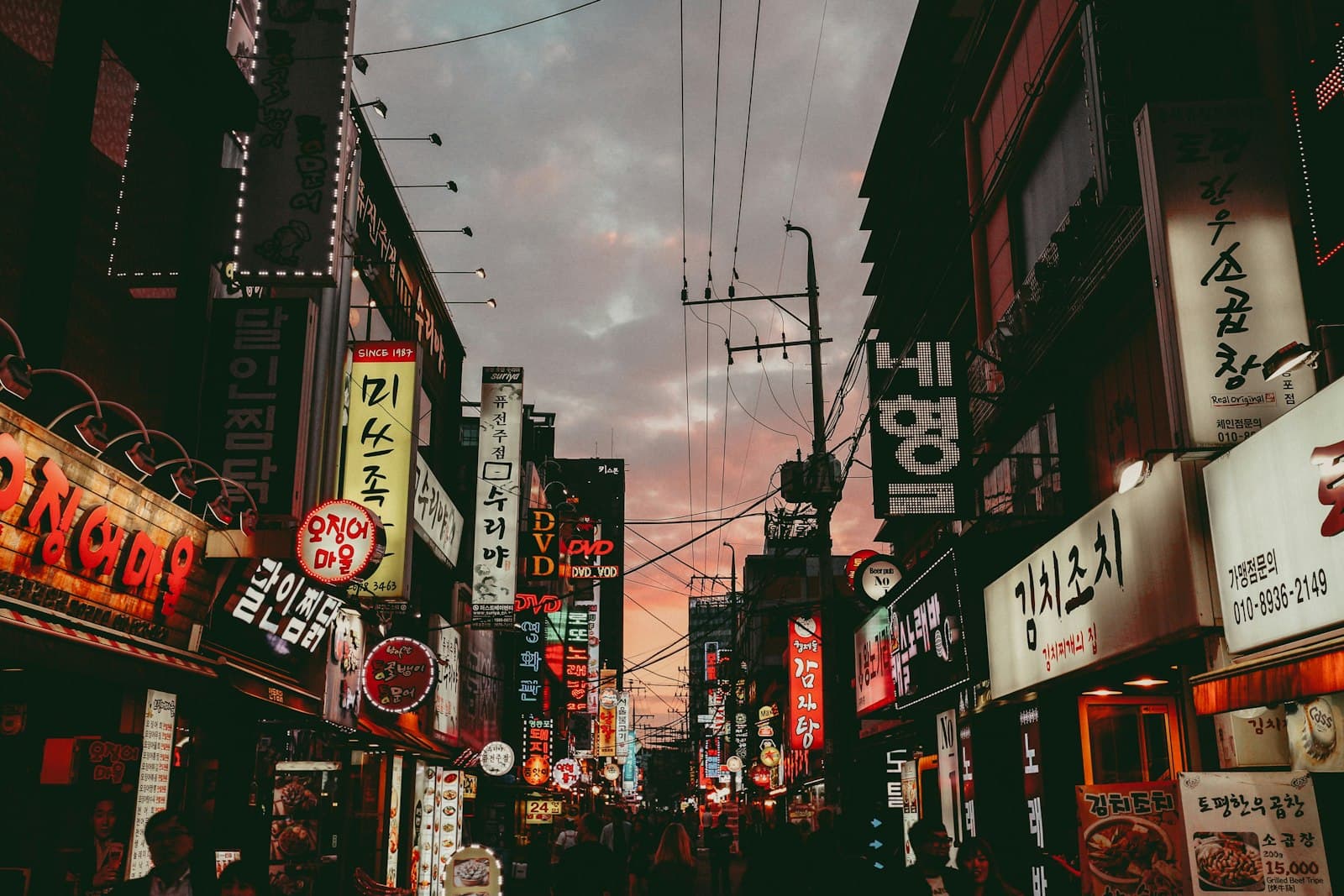
In the last week of August 2026, two coffee-franchise announcements landed within days of each other without any apparent coordination, yet together they say more about where Southeast Asia's franchise map is headed than either could alone. In Ho Chi Minh City, Viva Star Coffee confirmed it would open its first Malaysian store in October — its seventh overseas market since the brand began exporting itself beyond Vietnam. In Seoul, Lotte GRS signed a master franchise agreement sending its Angel-in-Us coffee brand back into Indonesia, a market it had abandoned when Lotte withdrew from Southeast Asia in 2020. One is a Southeast Asian brand pushing outward; the other is an outside brand pushing back in. Read together, they are a clean illustration of a pattern Go Global Holdings has been tracking for years: Southeast Asia is no longer just a destination for other people's franchise concepts, and it is no longer just an exporter of its own. It is doing both, in the same week, sometimes in overlapping categories.
Vietnam's slow-build export model
Viva Star Coffee's approach to going abroad has been deliberate rather than opportunistic. Malaysia is not a debut — it is a seventh flag planted after Viva built out a presence across Asia, the Middle East and the United States, expanding one negotiated partnership at a time rather than signing a single sweeping regional agreement. For its Malaysian entry, the company structured a joint-development partnership with GinsengWorld Biotech Berhad, a local operator that brings market knowledge and execution capability while Viva contributes what it has spent years refining at home: coffee sourcing, store operations and a franchise system built to travel. The first store opens in October at Wyndham Acmar Klang in Selangor, and the brand plans to bring more than one retail format with it — Viva Reserve, a premium concept built around exploring different bean origins and brewing methods, alongside Viva Togo, a smaller, faster takeaway format designed for convenience-driven footfall. As Viva founder and chair Le Thi Ngoc Thuy put it, franchising for the brand "goes beyond expanding stores; it is about scaling a proven system and the values that drive it" — and the company says it specifically looks for local partners who understand their own market rather than simply the fastest signature available.
Korea's re-entry through a local specialist
The Angel-in-Us story runs in the opposite direction but rests on an identical mechanism. Lotte GRS, which controls the Angel-in-Us coffee brand alongside its better-known Lotteria chain, once operated directly in Indonesia before withdrawing from the broader Southeast Asian market in 2020. Rather than re-enter on its own balance sheet, it signed a master franchise agreement — inked by Lotte GRS chief executive Lee Won-taek and Bogajaya Group chief executive Budi Utomo at Lotte World Tower in Seoul — that hands responsibility for building the brand in Indonesia to a nearly 50-year-old Surabaya-based operator with deep experience running food and retail concessions inside the country's airports. The first Angel-in-Us store under the new agreement is slated to open by the end of 2026 at Juanda International Airport, with a target of ten outlets over five years. Lotte GRS has described Indonesia as a strategic base for the brand's wider international ambitions, which makes the specific choice of partner telling: rather than chase the fastest possible store count, the company picked an operator whose core competency — airport retail — maps directly onto where a returning coffee brand most needs distribution and visibility.
Same region, two different playbooks
Put the two deals side by side and the contrast in deal structure is as instructive as the direction of travel. Viva Star Coffee is building its international footprint market by market, with a tailored partnership in each one — a pattern shared by Vietnam's other outbound beverage brands. Phuc Tea's international arm, HappiTea, entered the Philippines through a master franchise deal with SM Group and separately negotiated its way into India, treating each country as its own negotiation. Three O'Clock took a different route: rather than sign country by country, it packaged an entire sub-region into a single agreement with franchise developer FranGlobal covering India, Nepal, Sri Lanka and Bangladesh at once, with a minimum commitment of 100 outlets over a decade — the same multi-country packaging logic that lets a specialist master franchisee absorb execution risk across borders that a single-market operator never has to underwrite. Angel-in-Us's Indonesia deal sits closer to that second model: one agreement, one dominant local partner, and a mandate to build out an entire national footprint rather than a single flagship. Neither approach is inherently superior — a packaged, multi-country deal moves faster and concentrates accountability, while the market-by-market approach lets a franchisor pick the strongest available partner in each territory rather than accepting one partner's reach as the ceiling on its ambitions.
What's pulling both directions at once
The reason Southeast Asia can absorb an outbound Vietnamese coffee brand and a returning Korean one in the same month comes down to the same underlying force: a beverage category growing fast enough, and fragmented enough, that there is room for multiple national champions to expand into each other's backyards without immediately colliding. A market that can support Vietnamese, Korean and homegrown Indonesian and Malaysian chains at the same time is one where store density and brand loyalty haven't yet consolidated around a handful of winners — precisely the environment in which master franchise agreements, rather than direct company-owned expansion, do the most work, because they let a franchisor test a market's ceiling through a partner's balance sheet rather than its own. It also explains why the specialist master franchisee — the Bogajayas and FranGlobals of the world, chosen for a specific competency rather than sheer size — is becoming as important a character in these stories as the franchise brand itself.
For Southeast Asian founders reading these two deals as a signal, the takeaway isn't which direction is more prestigious — it's that the region has become sophisticated enough, on both the brand and the partner side, to run outbound and inbound expansion at the same time without either one crowding out the other. Go Global Holdings works with founders on exactly that packaging question — matching a brand's stage of readiness to the right expansion structure, whether that is a single tailored partnership like Viva's or a multi-country package like Three O'Clock's — so that the next Southeast Asian brand crossing a border does so on terms it chose, not terms it settled for.
Sources
- Inside Retail Asia — Vietnam's Viva Star Coffee adds Malaysia to its growing Asian footprint
- World Coffee Portal — Vietnam's Viva Star Coffee preparing to enter seventh international market
- Inside Retail Asia — Lotte GRS brings Angel-in-Us back to Indonesia with Bogajaya partnership
- The Korea Times — Coffee franchise Angel in Us to reenter Indonesian market
- Vietnam News — Vietnamese start-ups eye global markets through strategic franchising
Is your brand ready to go global?
Contact us