
The Halal Gateway and the Two-Way Street: How Master Franchising Is Rewiring Southeast Asia's Cross-Border Playbook in 2026
By Go Global Research Desk
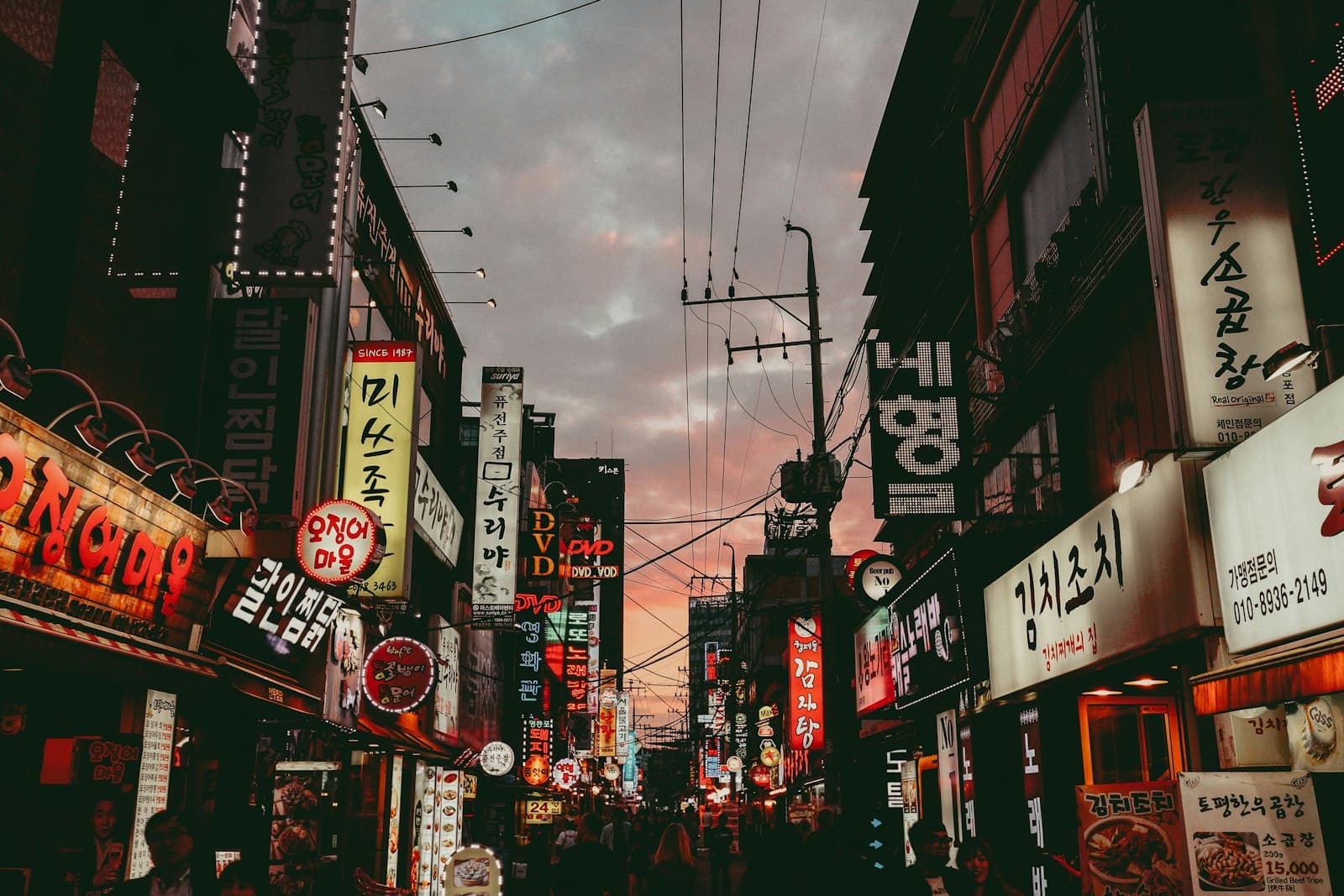
In the span of two weeks in late July and early August 2026, three stories moved across the franchise trade press that, read separately, look like routine expansion news. Read together, they describe something more interesting: a single playbook for crossing borders that Southeast Asian brands and the brands entering Southeast Asia are now converging on. On July 29, Korean fried-chicken chain Mom's Touch confirmed a master franchise agreement with Singapore's FairPrice Group, built explicitly around a halal-certification strategy rather than a straightforward store rollout. On July 9, Francorp Philippines marked three decades of professionalizing Filipino franchise systems with a gala that doubled as a reminder of how the Philippines became one of the world's largest franchise markets — coverage of which was still running in the Philippine business press on August 9. And through the same stretch, two Vietnamese brands, 24-hour café chain Three O'Clock and tea chain HappiTea, continued pushing deeper into India on master franchise terms set months earlier. None of these are isolated country stories. Together they show a region where the direction of travel — in or out of Southeast Asia — matters less than the structure of the deal.
A Halal Certificate as a Market-Entry Strategy Mom's Touch, the Korean burger-and-fried-chicken chain, is entering Singapore the way a growing number of Korean F&B brands now enter Southeast Asia: through a master franchise agreement with a large, credible local distributor rather than a directly owned subsidiary. Its partner is FairPrice Group, Singapore's largest supermarket and retail operator, which will handle restaurant development, local operations and marketing while Mom's Touch supplies the brand, menu and store-operating know-how. The first restaurant opens August 14 in Singapore's central business district, with two more slated for major commercial districts before year-end and a stated target of more than 25 restaurants over the next decade. What makes the deal notable for other brands weighing Southeast Asia is the sequencing behind it: in July, ahead of the launch, Mom's Touch secured halal certification from the Korea Muslim Federation, a certification recognized by Singapore's Islamic religious authority, MUIS, and the company says it is now pursuing JAKIM certification for Malaysia and MUI certification for Indonesia. Singapore, in other words, is not just a market — it is a deliberately engineered stepping-stone toward the wider halal consumer base of neighboring Muslim-majority markets, built into the deal before a single store opened rather than retrofitted after expansion stalled.
Thirty Years, World-Class: What Manila's Franchise Infrastructure Signals A different kind of milestone landed in the same stretch. Francorp Philippines, the franchise consulting and development firm, held its 30th Anniversary Gala on July 9 under the theme "30 Years of Transforming the Philippine Franchise Landscape," and Philippine business press was still writing it up a month later — Philstar's recap ran August 9. The throughline in that coverage is less the party than the number attached to it: the Philippines, which had only a handful of homegrown franchise brands three decades ago, is now regularly counted among the world's largest franchise markets, with Francorp's own three decades of work running through the systems that grew from single independent stores into national and regional franchise chains over that period. That matters for anyone structuring a master franchise deal into or out of the Philippines, because it means the counterparties available there — legal, real estate, operations and training infrastructure — are now considerably deeper than in markets still building that ecosystem from scratch. A market that has spent thirty years professionalizing its own franchise sector is a materially different partner to negotiate with than one that hasn't, and it is part of why Manila keeps showing up as a landing spot for brands from Vietnam, Korea and beyond.
The Traffic Runs Both Directions While Korean and other international brands lean on Southeast Asian retail groups to enter the region, two Vietnamese brands were doing the reverse over the same weeks: using India's franchise infrastructure to go outbound. Three O'Clock, the Vietnamese 24-hour café concept, debuted in India with three outlets in Gurugram in November 2025 and has kept adding since, opening a fourth location at Elan Miracle on the Dwarka Expressway and a seventh café in Surat, Gujarat by January 2026, working through a franchise partnership with Franchise India. The brand has set a target of 100 cafés across India by the end of 2026 — an aggressive pace that depends entirely on finding enough qualified local franchisees and area partners to sustain it. HappiTea, the international arm of Vietnamese tea chain Phuc Tea, is running a similar playbook one country over: after building out operations in the Philippines since mid-2024, it opened its first Indian stores in Hyderabad in April 2026 with national master franchise partner FranGlobal, and is now actively recruiting regional master franchise partners across other Indian states as it works toward a stated network of more than 150 stores across Vietnam and the Philippines combined. Neither brand is opening its own stores directly; both are betting on a local partner who already understands the market's real estate, regulatory and consumer terrain.
The Common Thread: Buy Local Expertise, Not Just Local Capital Set side by side, these four stories describe the same underlying decision, made independently by brands with nothing else in common. Mom's Touch didn't pick FairPrice for its balance sheet alone — it picked a partner that already runs Singapore's retail and distribution networks and can navigate halal certification requirements a foreign entrant would take years to learn on its own. Three O'Clock and HappiTea didn't try to run Indian operations from Ho Chi Minh City — they partnered with Franchise India and FranGlobal, organizations built specifically to originate and manage local franchisee networks. And the reason Manila keeps attracting both inbound and outbound franchise deals after thirty years of Francorp-style market-building is that the country now has enough trained franchise operators, lawyers and area developers to make that infrastructure itself a selling point. What's changing in 2026 is not that master franchising works — it has for decades — but that the criteria brands use to pick a partner are getting more specific: not just capital and enthusiasm, but a demonstrable, sometimes regulatory, edge in the exact market being entered.
For Go Global Holdings, which structures this kind of cross-border licensing and master franchise partnership for Southeast Asian brands headed abroad — HappiTea's expansion into India among them — the lesson from this batch of deals is the one the firm applies to every mandate: the right country matters less than the right local partner inside it.
Sources
- The Korea Times — Mom's Touch enters Singapore, eyes 25 stores in 10 years
- The Korea Herald — Mom's Touch picks Singapore as gateway to halal market
- Philstar — Francorp marks 30 years of shaping Philippines franchising
- Indian Retailer / FranchiseTv — Franchise News: Three O'Clock Café Opens 7th India Outlet in Surat
- Phuc Tea — Master Franchise Explained: How Phuc Tea & HappiTea Bring Vietnamese Tea to the World (2026)
Is your brand ready to go global?
Contact us